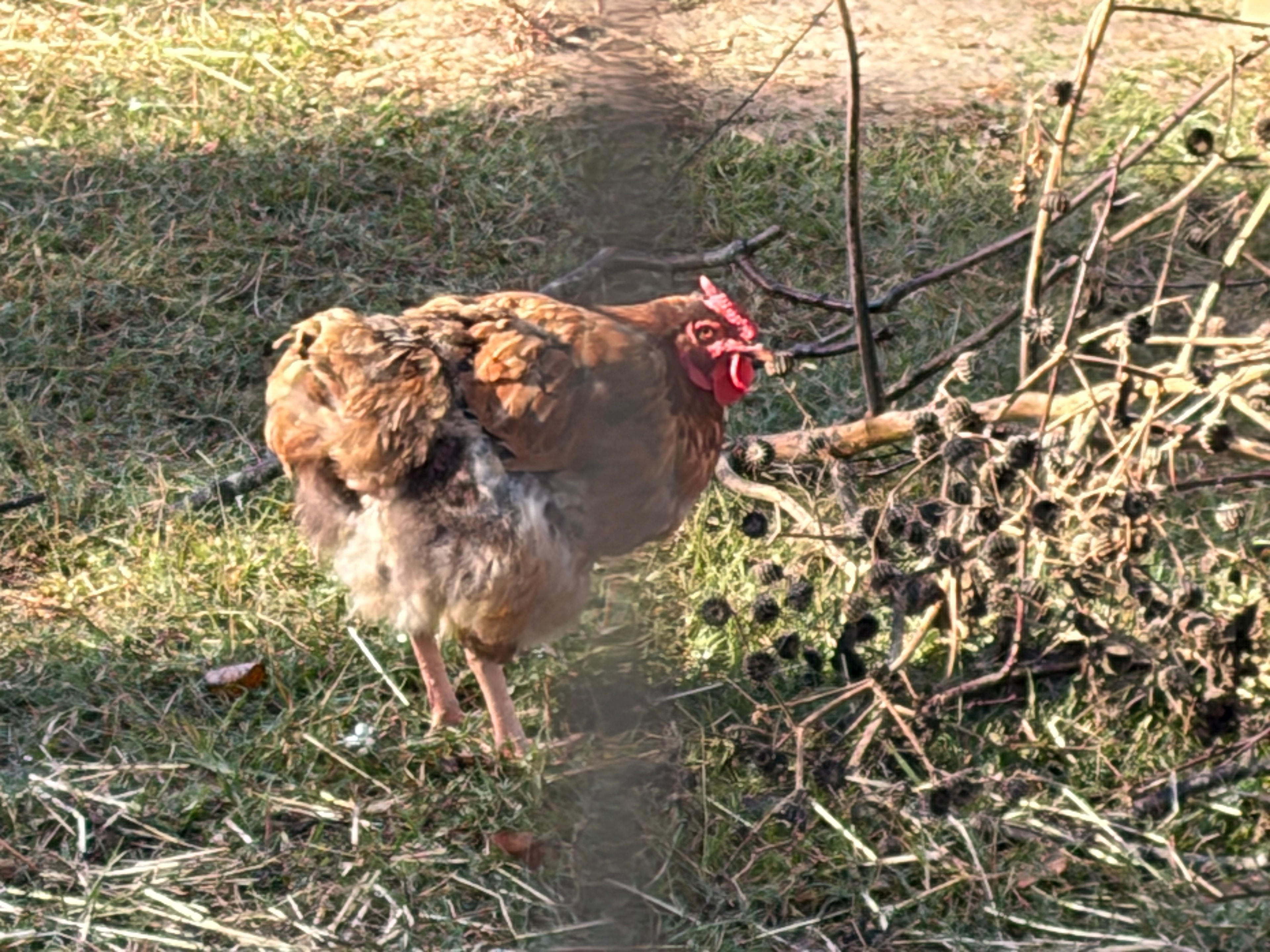
The Flock
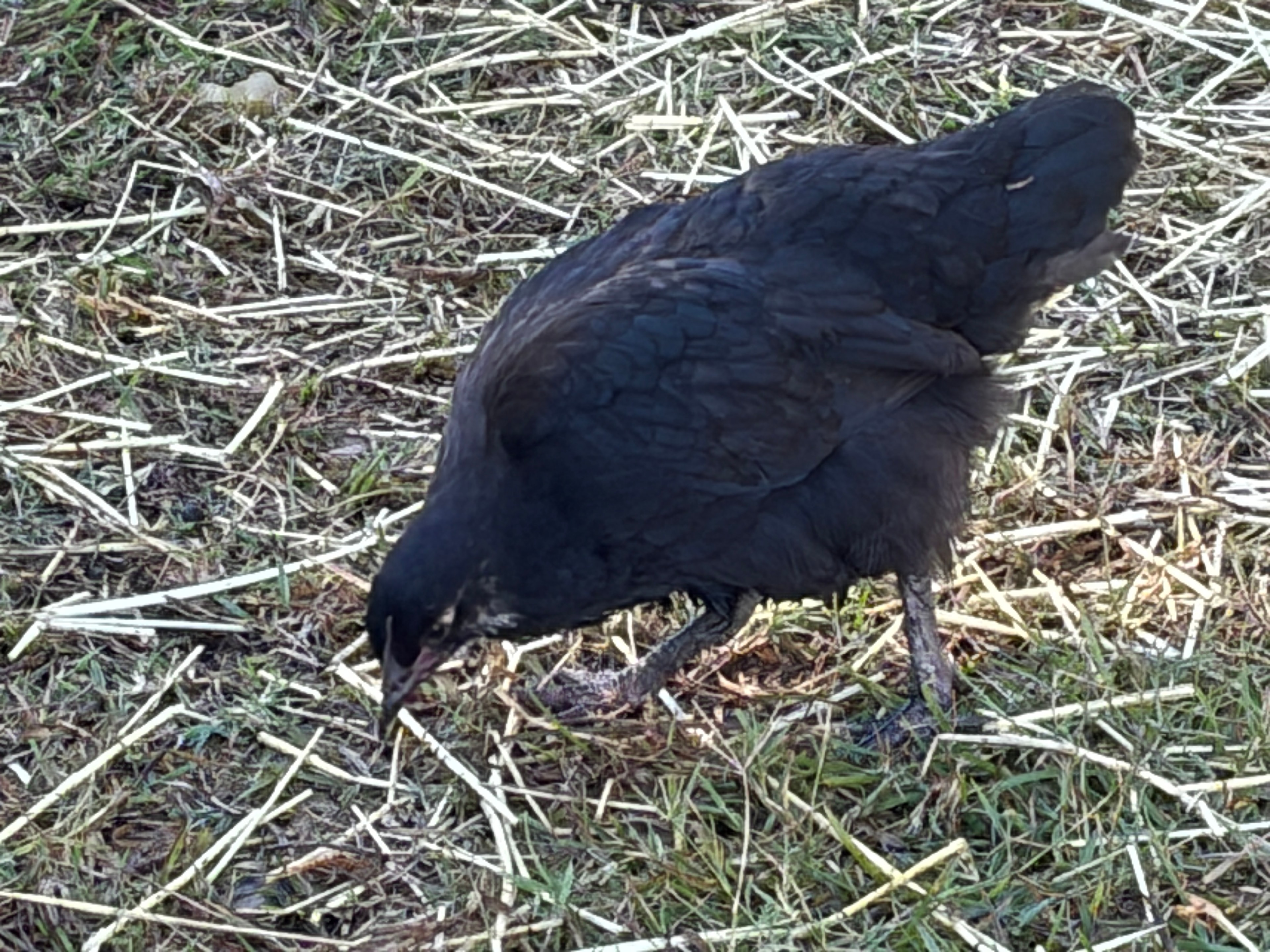
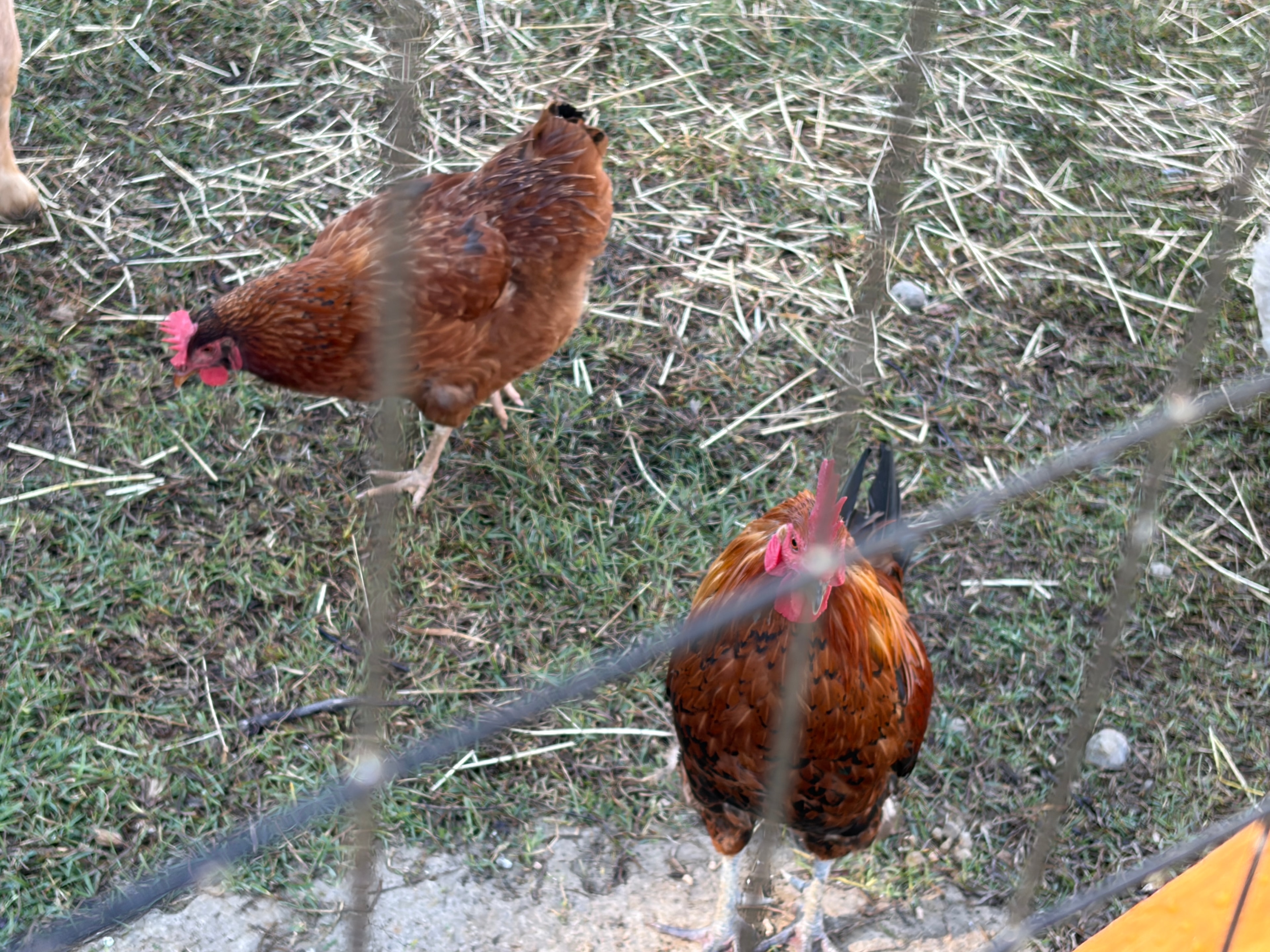
We keep a mixed flock of laying hens — including a striking black Australorp and a warm-feathered brown hen who rules the yard. They give us eggs, eat the bugs, and fertilize the garden.
One acre. Chickens, goats, herbs, and a tea plant.
Every animal on this farm earns its keep — and teaches us something in return.
We keep a mixed flock of laying hens — including a striking black Australorp and a warm-feathered brown hen who rules the yard. They give us eggs, eat the bugs, and fertilize the garden.
Our goats are browsers, companions, and occasional escape artists. They keep the brush down and remind us daily that farming requires a sense of humor.
Chickens and goats share the yard in a loose, mostly peaceful arrangement. Watching them interact is one of the best parts of farm life.
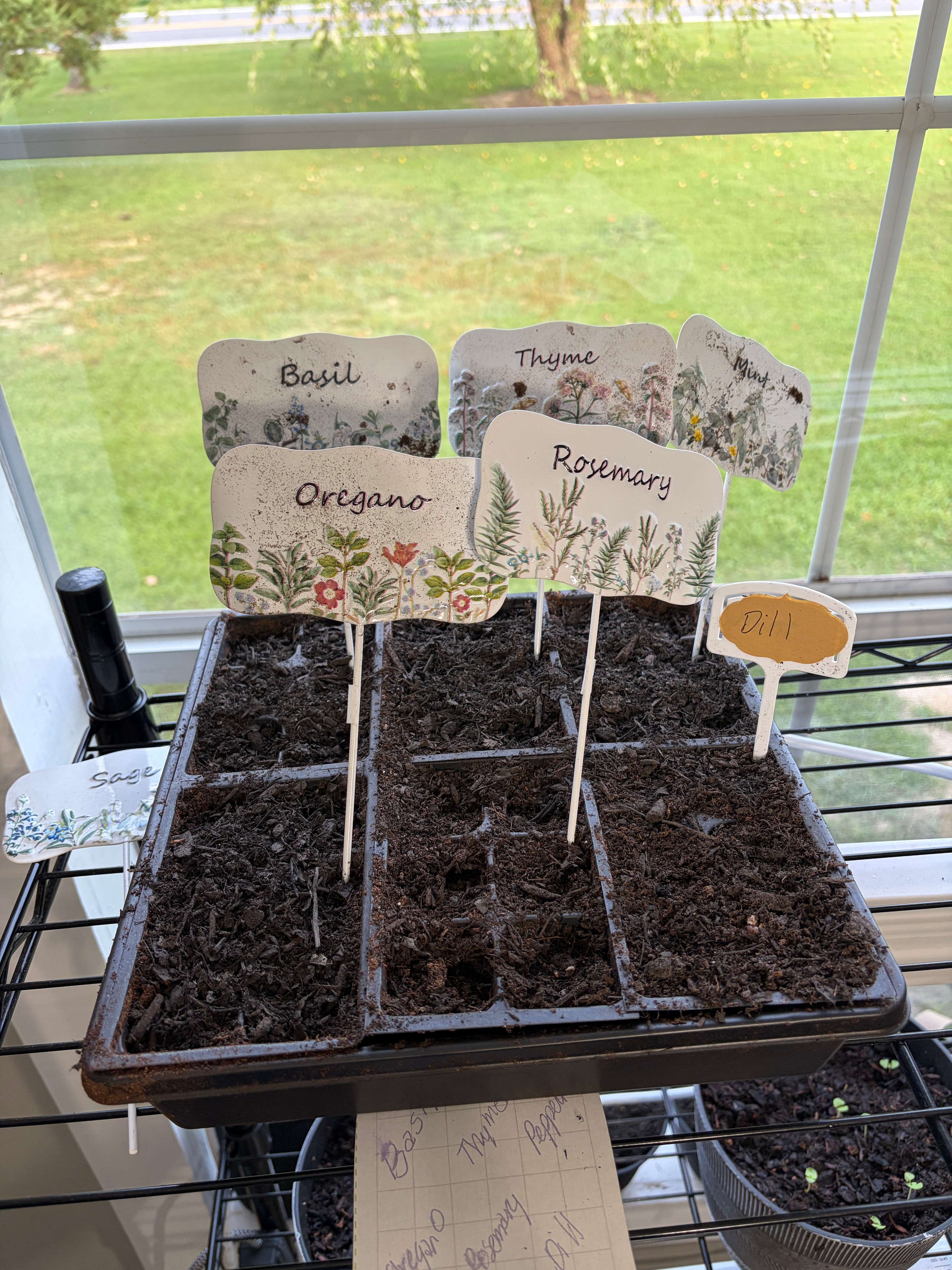
We grow what feeds us, what heals us, and what we're curious about.
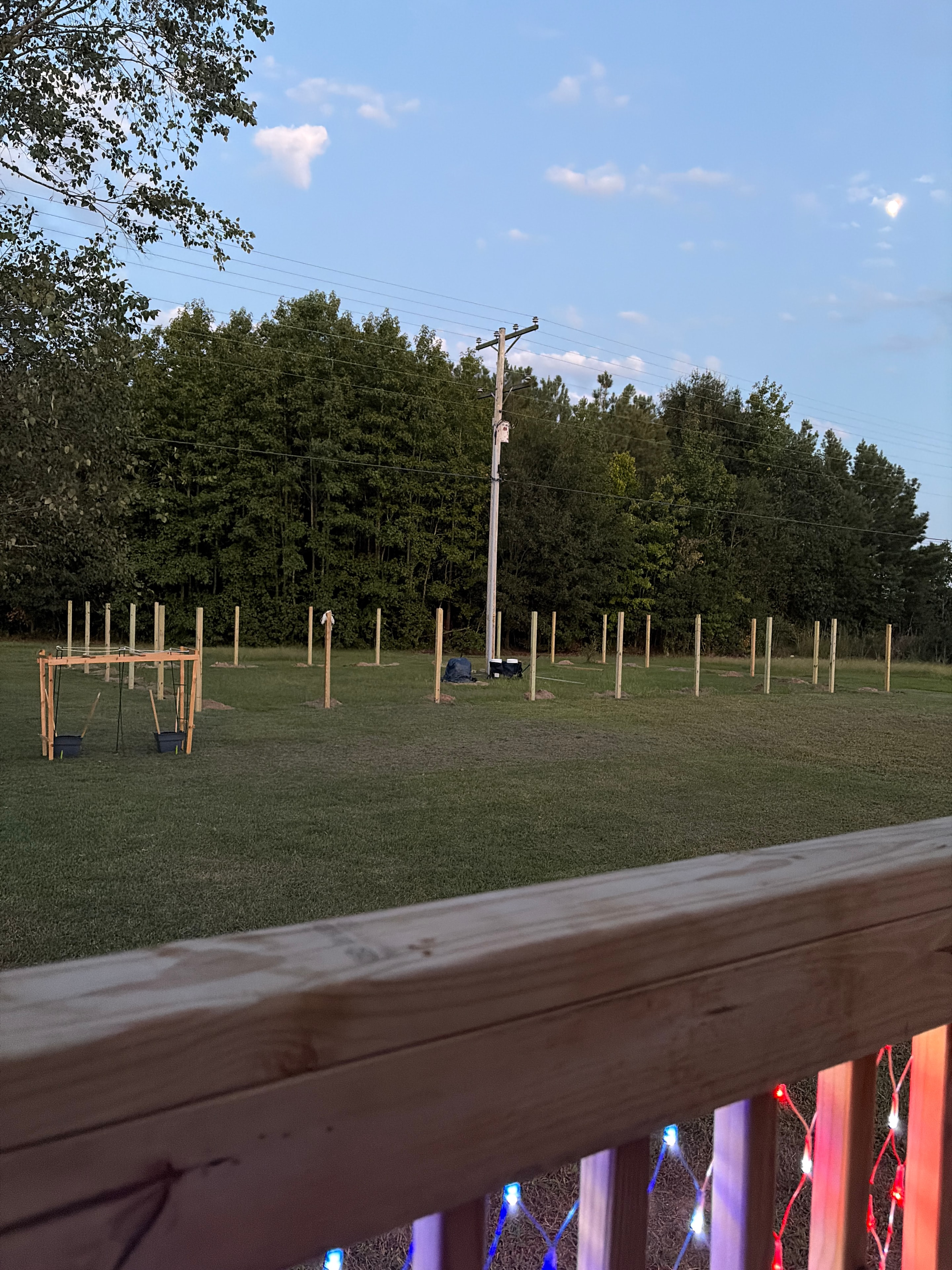
We're growing tea — real tea, from the same plant that produces green, black, and oolong. It's a long-term experiment and one of the most exciting things on the farm.
Culinary herbs, medicinal plants, and seasonal vegetables fill our raised beds. We start most things from seed and save what we can.
One acre of North Carolina clay, slowly being amended and improved. We're working toward a more regenerative system — less tilling, more mulch, more life in the soil.
We prioritize soil health — composting, minimal tilling, cover crops, and letting the animals do some of the work.
We don't use synthetic pesticides or herbicides. We manage pests with companion planting, physical barriers, and the chickens.
Kitchen scraps feed the chickens. Chicken manure feeds the garden. The garden feeds us. We try to close the loop wherever we can.
We document what works and what doesn't in Microfarm Notes — because honest field notes are more useful than polished success stories.
Coming soon
We're planning to open the farm for small-group visits and hands-on workshops. Sign up to be notified when we launch.
No spam. Just a note when we're ready.